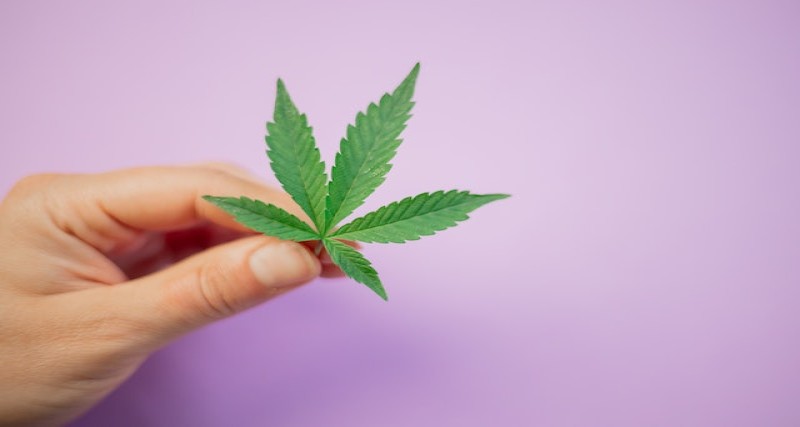
Detrimental effects of THC on ADHD
3 years agoTetrahydrocannabinol (THC) is the main
psychoactive ingredient found in marijuana. Studies have shown that THC
can have detrimental effects on individuals with attention-deficit/
THC can exacerbate symptoms of impulsivity, inattention, and hyperactivity in individuals with ADHD. It can also interfere with the effectiveness of medications used to treat ADHD, such as stimulants. Additionally, THC use can also lead to cognitive impairments, such as memory and attention problems, which can further worsen the symptoms of ADHD.
Research also suggests that individuals with ADHD may be more susceptible to the addictive properties of THC, which means that they may be more likely to develop a cannabis use disorder.
It's also worth noting that marijuana is not legal in all states, and it is important to be aware of your state's laws regarding marijuana use. Additionally, marijuana can have negative impacts on the developing brain, particularly for those under 25 years old.


ADHD communication style, before and after therapy
7 years agoMany people who start medication therapies to treat the core ADD/ADHD symptom notice subtle changes that are not always easy to accept or manage. The character style that was considered to be a pro...

When the mirror becomes our therapist: A psychiatrist’s reflection on our society’s growing obsession with perfection
1 year agoI’ve been practicing psychiatry long enough to witness the changing fa...

What are the similarities between Borderline Personality traits and adult ADHD?
3 years agoBorderline Personality Disorder (BPD) and Attention Deficit Hyperactivity Disorder (ADHD) are two different conditions, but there are some similarities in their symptoms.<...